
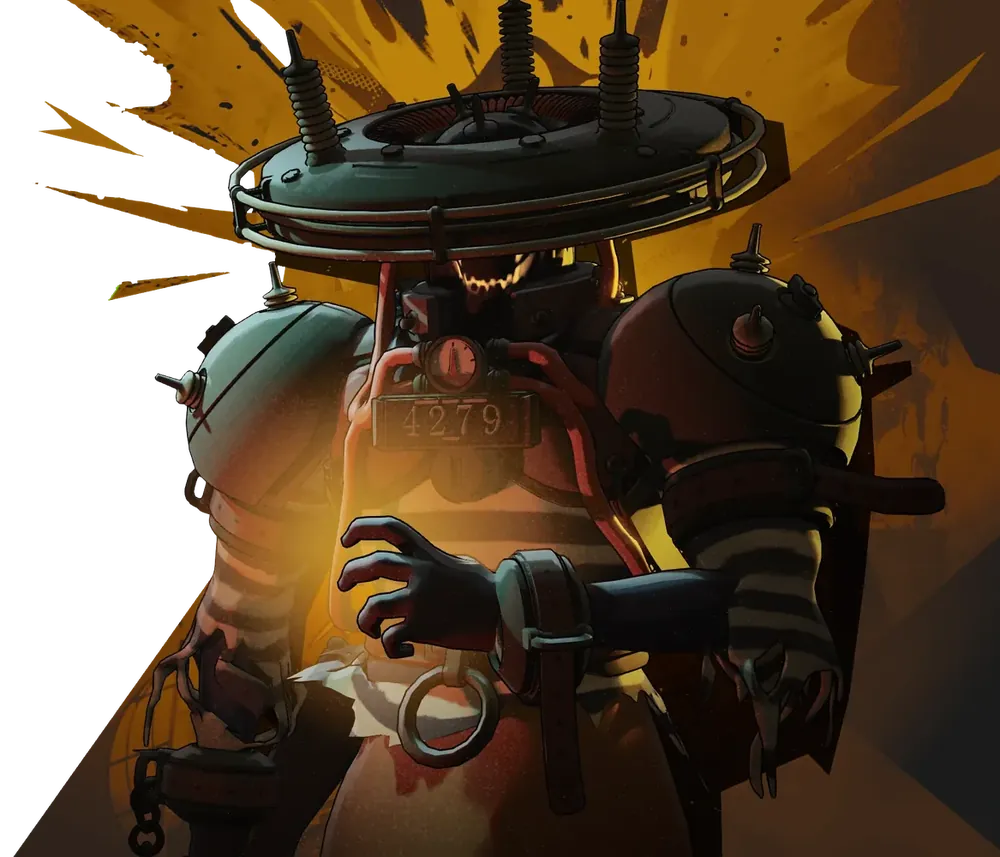
Deadlock roles explained
Find your hero’s common playstyles, understand your job after lane, and choose a role that fits how you like to play. Browse the hero chart or go straight to a practical role guide.
What are the roles in Deadlock?
A role describes the job you are playing for your team: dealing sustained gun damage, creating spirit damage windows, taking space, catching targets, or supporting teammates. This guide groups those jobs into gun carry, spirit carry, frontline, pick and support.
These are practical playstyle categories. A hero can fill more than one role, and your build, available cooldowns and team composition can change which job matters most. Start with what your teammates need from you, then choose items that let you deliver it.
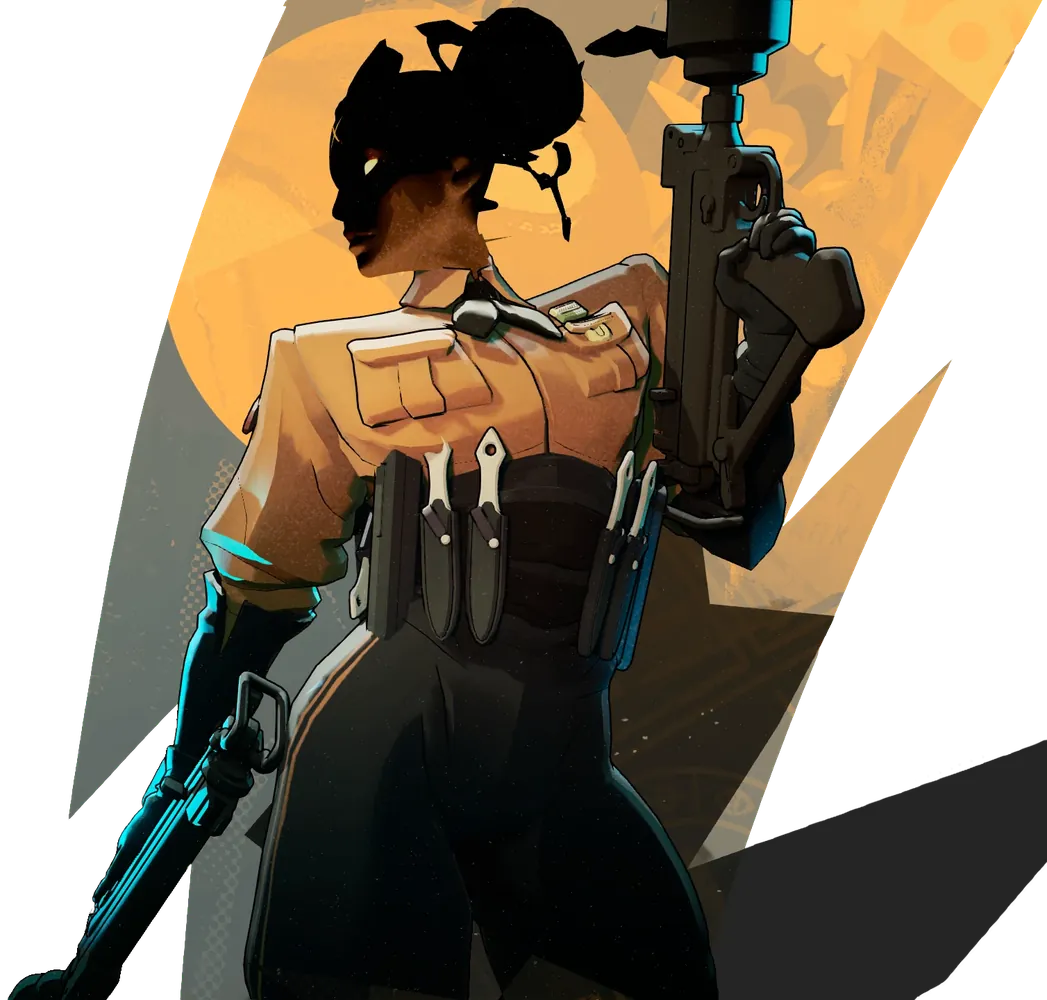

Gun Carry
M1 carrySustained weapon damage built on farm, fired from safe angles.
After laneCollect waves, then join the fights that let you use your item spike.


 18 heroes

Spirit Carry
Ability damageAbility-based damage windows, timed around cooldowns and safe approaches.
After laneThreaten rotations with your damage cooldowns, and keep a safe exit.

 24 heroes
Frontline
Space makerMakes dangerous space usable, engages when teammates can follow and absorbs pressure.
After laneContest key areas when your allies can use the space you make.
 14 heroes
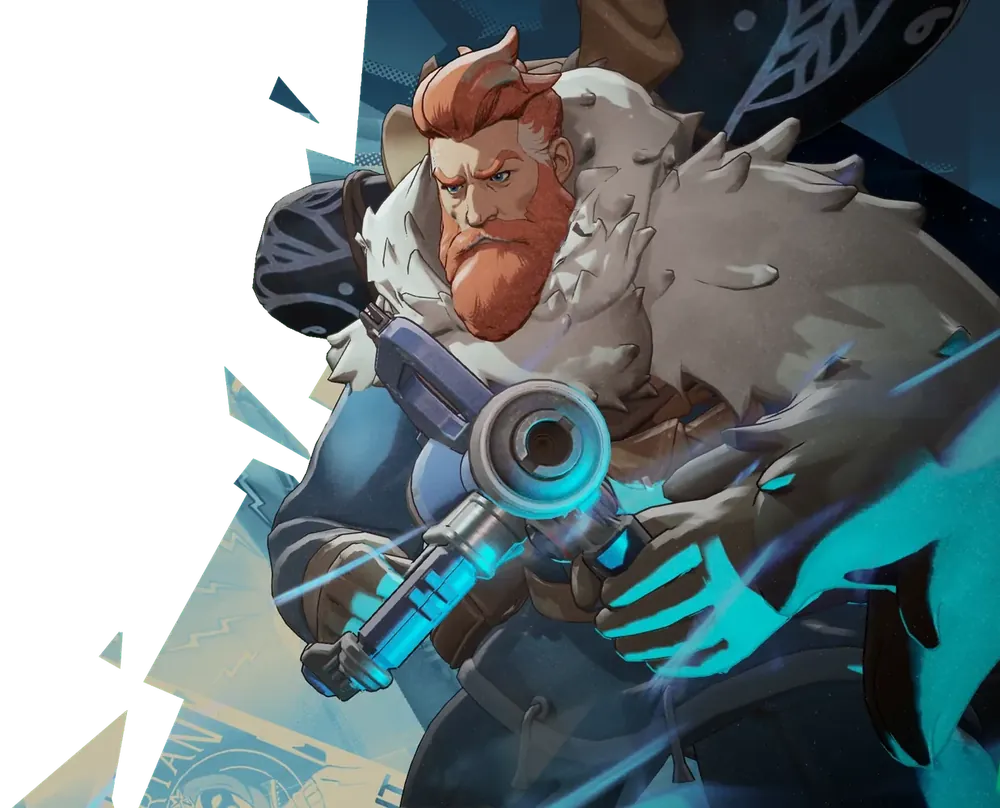
Pick
CatchCatches exposed enemies and lines up control with nearby teammates.
After laneMove with a teammate who can finish the catch. 12 heroes
Support
EnablerSaves, healing, control and utility that keep teammates effective.
After laneCover pressured teammates and take resources between useful rotations.

 14 heroes
Deadlock hero roles chart
Find your hero to see common roles, your main responsibility and how your build changes the plan. Hero names open their counter matchup; role tags open the guide for playing that role. Browse the heroes below. Some heroes fit more than one role.
| Hero | Gun Carry | Spirit Carry | Frontline | Pick | Support |
|---|---|---|---|---|---|
| Abrams | · | · | · | · | |
| Apollo | · | · | · | ||
| Baba | · | · | · | ||
| Bebop | · | · | · | ||
| Billy | · | · | · | ||
| Calico | · | · | · | ||
| Celeste | · | · | · | ||
| Deadman Danny | · | · | · | ||
| Drifter | · | · | · | ||
| Dynamo | · | · | · | ||
 Graves | · | · | · | · | |
| Grey Talon | · | · | · | ||
| Haze | · | · | · | ||
 Holliday | · | · | · | ||
| Infernus | · | · | · | ||
| Ivy | · | · | · | ||
| Kelvin | · | · | · | ||
 Lady Geist | · | · | · | ||
 Lash | · | · | · | ||
| McGinnis | · | · | |||
 Mina | · | · | · | ||
 Mirage | · | · | · | · | |
 Mo & Krill | · | · | · | ||
| Nurse Harrow | · | · | · | · | |
 Paige | · | · | · | · | |
 Paradox | · | · | · | ||
 Pocket | · | · | · | · | |
 Rat King | · | · | · | ||
 Rem | · | · | · | · | |
 Seven | · | · | · | ||
 Shiv | · | · | · | ||
 Silver | · | · | · | ||
 Sinclair | · | · | · | ||
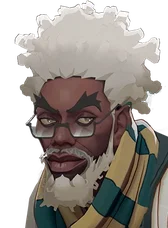 Solomon | · | · | · | ||
 The Doorman | · | · | |||
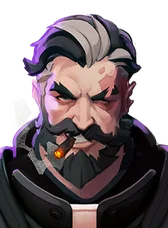 Venator | · | · | · | · | |
 Victor | · | · | · | · | |
 Vindicta | · | · | · | ||
 Violet | · | · | · | ||
 Viscous | · | · | |||
 Vyper | · | · | · | · | |
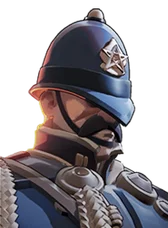 Warden | · | · | |||
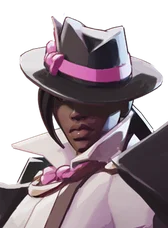 Wraith | · | · | · | ||
 Yamato | · | · | · |
Which Deadlock role should you play?
Choose the job you enjoy doing repeatedly. Strong aim can suit a gun carry, but farming and safe positioning matter just as much. Frontline players need timing and awareness; supports need to recognise the teammate whose next action will decide the fight.
Gun Carry (M1 Carry)
Turn souls into sustained weapon damage. Farm efficiently, reach a useful item spike, and fight from an angle where you can keep shooting.
Spirit Carry
Create damage windows with abilities. Use lane pressure, cooldown timing and safe approaches to land your combo without losing your escape.
Frontline
Make dangerous space usable for your team. Threaten an engage, absorb pressure you can survive, and keep enemies away from your damage dealers.
Pick
Catch an exposed enemy and make the follow-up easy. Coordinate your control with nearby teammates instead of starting a fight no one can reach.
Support
Keep teammates effective through saves, healing, control and utility. Use resources efficiently and position where your next spell can change the fight.
Roles versus positions: who gets the farm?
Roles describe how you contribute. Positions describe resource priority. Players sometimes use positions 1–6 to discuss who needs the most souls, with position 1 receiving the highest priority. The middle positions vary between coaching systems; they are not a universal hero ranking.
A damage build usually needs more investment to keep threatening enemies. A utility build may reach a useful save or control spike sooner. That does not mean a support should stop farming or that a carry should take every nearby camp. Allocate safe waves and camps so your team reaches its next useful items without leaving objectives undefended.
Discuss the next spike rather than arguing over a number: “I need one more wave for my damage item,” or “Take this lane; I can move with our pick hero.” A lower farm priority describes how you use resources, not how important you are.
Most souls → fewest souls. Lower farm priority reflects how you use resources, not how important you are.
Are Deadlock roles tied to lanes?
A lane assignment does not permanently decide your role. During lane, your partner and matchup shape how you trade, secure souls and manage pressure. After lane, the team should distribute safe farm, rotations and objective coverage around its current strengths.
Do not assume that a frontline must always occupy one lane or that a support must follow the same carry all game. Look at which area needs protection, which teammate needs safe farm and where a rotation can produce a real advantage.
What should you do after the laning phase?
Gun carrycollect an available wave, take nearby resources efficiently, and join fights that let you use your item spike without walking into a catch.
Spirit carryuse available damage cooldowns and lane pressure to threaten a rotation or invade with help. Keep a safe route out.
contest an entrance or dangerous wave when your teammates can use the space. Avoid starting an engagement beyond their reach.
move with a teammate who can finish your catch. Check enemy visibility before spending your control.
cover the teammate under pressure, help your team move through contested space, and take accessible resources between useful rotations.
Before moving, ask: what changes if I go there? If you cannot secure a kill, protect an objective, save a teammate or collect useful resources, another route may do more.
How your role changes counter item choices
Choose a counter you can apply while doing your job. A gun carry can maintain weapon-applied effects; a spirit build may apply Healbane more naturally. A support can sometimes handle a targeted utility purchase, letting a damage dealer keep their next damage spike. Personal survival items still need to be bought by the player taking the threat.
Use the Counter Item Helper for enemy matchups, the Counter Item Library to compare effects, and the counter itemization guide to decide whether a purchase is urgent. Coordinate a shared answer before several teammates buy the same active for the same job.
Frequently asked questions
Can one Deadlock hero play multiple roles?
What does M1 carry mean?
What is the difference between a role and a position?
Does support mean you should never farm?
Should you choose a role based only on your hero?
Know your role. Counter their game plan.
Explore counter items and positioning against dive, poke, heavy CC, sustain, burst and split-push.